
In December 2025, Parliament approved several important amendments to the Law “On Tax Procedures”. These changes directly affect how payments are made, how communication with the Tax Administration is carried out, how online activities are regulated, and several other key procedures for businesses and individuals.
Restriction of cash payments and the obligation to install POS terminals
This is the most significant change with immediate impact. The new law limits purchases and payments made in cash above a certain value and, at the same time, requires businesses to be equipped with electronic payment devices (POS). Below is what you need to know.
New limits for cash payments
For business-to-business (B2B) transactions, the maximum allowed cash payment limit has been reduced from ALL 150,000 to ALL 100,000. This means that two businesses may not make cash payments to each other above this amount. Payment must be made via bank transfer or card. In addition, for the first time, a cap has been introduced for cash payments between businesses and individuals, set at ALL 500,000 per transaction. Therefore, any purchase above ALL 500,000 made by an individual (approximately EUR 5,000) must be paid by card or through a bank, not in cash. These measures aim to reduce the use of physical cash and increase the formalisation of the economy, making transaction tracking easier.
Obligation to install POS/POI terminals
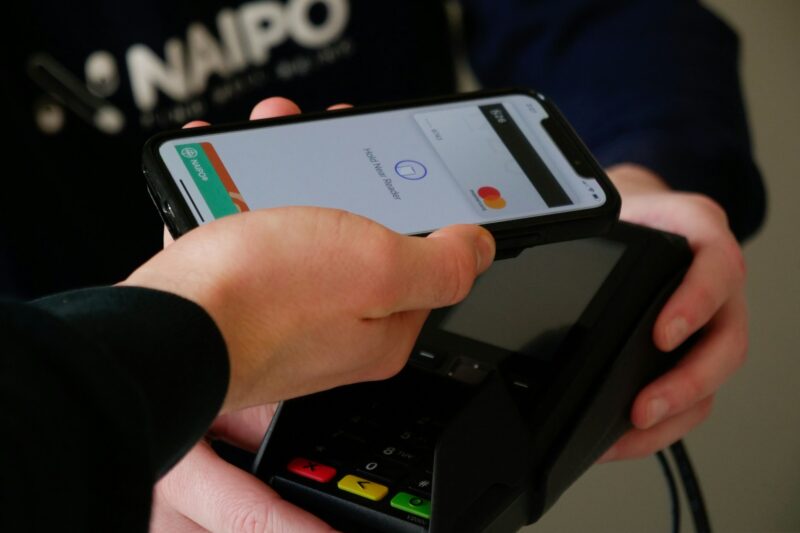
To enable this transition towards electronic payments, any business that accepts cash payments must be equipped with a POS (Point of Sale) terminal, i.e. a device that allows customers to pay by card or other electronic means.
Businesses operating in the tourism (accommodation) sector, transport, as well as public institutions, must install POS terminals by 30 May 2026. All other businesses, without exception, must do so by 31 December 2026. This provides businesses with sufficient time to adapt to the new equipment and train staff in its use.
The law provides for some justified exemptions from the POS obligation. Businesses operating in areas without internet access, or those exempt from issuing fiscal invoices under the law (e.g. certain street vendors), will not be required to have a POS. Small self-employed businesses, classified as “sole self-employed”, without VAT registration and with only one business location, are also exempt. For all others, this obligation is non-negotiable.
How should businesses adapt?
First, review how you make payments above the new limits. If until now you paid suppliers in cash for large amounts, you must now open bank accounts or use bank transfers.
Second, start the procedures to equip your business with a POS terminal. Contact your bank or other service providers. The Bank of Albania and financial operators have taken initiatives to facilitate this process. For example, Mastercard will offer a POS terminal free of charge for 12 months starting from 1 May 2026, and regulations are being implemented to reduce bank commissions for card transactions. This will help ensure that the transition to card payments comes with minimal cost.
Third, inform and educate your customers. Notify them in advance that you will accept card payments for larger amounts, so they can also be prepared (e.g. open a bank account if they do not have one, obtain a debit or credit card, etc.). These changes are not intended to make business more difficult, but to formalise the economy and facilitate trade. Ultimately, your business becomes more transparent and trustworthy when most turnover passes through banks.
Electronic notifications from the Tax Administration
Under the new amendments, official communication between the Tax Administration and taxpayers (businesses) will be carried out exclusively electronically, through the tax e-Filing system, or by registered mail where necessary. Any assessment, notification or decision issued by the Tax Administration will be sent to your electronic account in e-Filing and/or by registered mail. The law now clearly states that an electronically sent notification is considered received within 10 calendar days from the date of sending, regardless of whether it has been read or not. Similarly, documents sent by post are considered received after 10 days from the mailing date, or at the moment of delivery if it occurs earlier.
What does this mean for you? You must regularly check your tax account (e-Filing) and your registered electronic address. It is your responsibility to ensure that the Tax Administration has your correct email and postal address. If you have changed your email or office address, update it immediately in e-Filing. While electronic notifications save time for both the administration and taxpayers, they also require you to remain vigilant.
Tip: Assign a responsible person, or personally ensure, that e-Filing is checked at least once a week so that no 10-day notification period goes unnoticed. This modern communication approach increases transparency and speed in resolving tax matters, so it is advisable to embrace it as early as possible.
New obligations for businesses operating online
The new law also addresses the digital economy, aiming to formalise online commercial activities. Any individual or legal entity (business) carrying out economic activity through a website now has additional specific obligations.
Publication of identifying information on your website
All businesses selling or providing services online must clearly publish the following information on their website: the tax identification number (NIPT), the full business name, the registered office address, and a contact phone number. These are basic identification details that every consumer or authority must know. Ideally, this information should be placed in the “About Us” section or in the website footer where it is easily visible. The goal is to ensure that online businesses are as transparent as physical ones and that customers trust that there is a real, registered entity behind the website.
Sanctions for non-publication
The Tax Administration will monitor online websites and, if it identifies businesses operating online without displaying this information, it will initially send an official notice requesting compliance.
Attention: If within 15 days from receipt of that notice no action is taken to publish the required data, the Tax Administration will request the Authority for Electronic and Postal Communications (AKEP) to temporarily block your website.
This means your website may become inaccessible until compliance is achieved. This is an extreme measure, but one предусмотрed by law to combat online informality. The solution is simple: publish your information and remain transparent. In doing so, you not only avoid sanctions but also gain the trust of online customers.
If you are a business that operates mainly through social networks (e.g. Instagram, Facebook) and do not yet have a formal website, consider creating a simple webpage to publish the above information, or ensure that your social media profiles clearly list your NIPT, address, and contact details. The formalisation of online activity has become a national priority for the tax authorities, so small steps taken today can save you from major issues tomorrow.
Other important changes
In addition to the main topics above, the new law has introduced several other changes worth mentioning, as they affect tax reporting and business responsibilities.
Electronic filing of tax returns
The law stipulates that all tax returns must be filed exclusively electronically through the Tax Administration’s portal (e-Filing), using your registered account. In practice, businesses have been filing online for years, but now this is not merely practice, it is a legal obligation. Paper filings or in-person submissions are no longer allowed. Everything is done via computer or mobile device, increasing efficiency and eliminating postal delays.
Amendment of tax returns
If you make an error in a tax return, you should be aware that the correction deadline has been reduced. For the annual personal income tax return (e.g. the individual DIVA declaration), you now have only 6 months from submission to correct it, and no more than two amendments are allowed. Previously, corrections were possible for up to three years.
For other tax returns, the allowed period for submitting amended declarations has been reduced from 36 months to 24 months.
This means errors or new information must be reflected more quickly. Carefully review your declarations before submission and, if correction is needed, act as soon as possible (within a maximum of two years).
Automatic filing of returns by the system
As a technological innovation, the electronic tax system will automatically file your returns if you fail to do so on time. Specifically, for VAT returns, if a business does not submit the return within the legal deadline, the system will, within 24 hours after the deadline, automatically complete and submit the VAT return based on sales and purchase ledger data. This ensures that even in cases of neglect, the Tax Administration has a declaration on record.
Responsibility for delays and any penalties or interest remains with the taxpayer even when the system files the return automatically. In other words, penalties are not avoided; the state simply ensures that reporting occurs to maintain traceability of turnover. Naturally, you retain the right to review and amend the automatically filed return if something is incorrect.
Natyrisht, do të keni të drejtën ta kontrolloni dhe korrigjoni deklaratën e plotësuar automatikisht, nëse diçka s’është në rregull.
The law also provides for additional measures, such as the temporary suspension of VAT refunds for taxpayers under criminal investigation for fraud or concealment until the investigation is completed, exemption from late payment interest for public institutions when delays result from retroactive laws or court decisions, sanctions against fiscal software providers who refuse to cooperate with tax authorities, etc. These measures affect ordinary businesses less directly but indicate that the tax system is being strengthened across all areas.
Frequently Asked Questions (FAQ)
Is the use of cash completely prohibited?
No. Cash is not prohibited, but restricted. Payments above ALL 100,000 between businesses and above ALL 500,000 between a business and an individual must be made through a bank or by card.
Pagesa konsiderohet shkelje ligjore dhe mund të sjellë gjobë administrative, mosnjohje të shpenzimit për efekt tatimor dhe penalitete shtesë gjatë kontrollit tatimor.
Varet. Nëse je i vetëpunësuar i vetëm, pa TVSH dhe me vetëm një vendndodhje, mund të përjashtohesh. Në të gjitha rastet e tjera, POS-i është i detyrueshëm brenda afateve ligjore.
Ligji e konsideron njoftimin të marrë pas 10 ditësh, edhe nëse nuk e ke hapur. Afatet fillojnë të llogariten automatikisht dhe mund të humbasësh të drejtën për ankim ose korrigjim.
Po. Nëse pas njoftimit zyrtar nuk reagoni brenda 15 ditëve, Tatimet mund t’i kërkojnë AKEP-it bllokimin e përkohshëm të faqes deri në përmbushjen e detyrimit.
Po. Edhe bizneset që operojnë vetëm në rrjete sociale duhet të jenë të identifikueshme. Rekomandohet ose krijimi i një faqeje të thjeshtë web, ose publikimi i qartë i NIPT-it dhe kontakteve në profilet sociale.
Po, sidomos nëse ke disa aktivitete, shitje online ose volum të lartë transaksionesh. Një analizë e saktë sot mund të të kursejë gjobat dhe kostot e panevojshme nesër.
How can AlProfit Consult help you?
Legal changes may seem complex, but you are not alone in this process. At AlProfit Consult, we have the expertise and experience to guide you step by step. Whether you need assistance with POS installation, reviewing your payment procedures, updating your details in the Tax Administration portal, or advice on complying with new deadlines, we are here for you.
Contact us today for a free consultation on how your business can adapt to these changes, and let’s turn legal challenges into opportunities for growth and modernization together.
The new Law No. 79/2025 marks a major step towards a more formal, digital, and transparent economy. Businesses will operate with less cash and more electronic payment methods, communication with the Tax Administration will be faster and documented, and online activity will be monitored to ensure compliance with the legal framework. By adapting to these rules, you not only avoid penalties but also benefit from a safer and more standardised business environment.
Stay informed, take the necessary measures, and do not hesitate to seek professional help when needed. Best wishes for your business and welcome to the new era of paperless and cashless finance.