

One of the expressions I've heard and read most often lately is “knowledge worker”(knowledge worker"). A concept introduced by Peter Drucker and later in many of the works of other authors.
The term has been widely used to describe how a modern employee must define the exact scope of the work they perform. In short, every knowledge worker must not only be familiar with the tasks they have but also, depending on the circumstances and the time, define for themselves the responsibilities and decisions they need to make.
If not long ago the majority of workers were not classified as such but were simple employees dominated by mechanical tasks, that ratio has now changed and it is one of the greatest challenges of our time.
Therefore, more than ever, it has become necessary to understand some simple methods of management, task allocation, professional development, and teamwork. It seems that academic preparation is insufficient to train and educate the new knowledge worker.
So, what are some of the most recommended books in this field? Below, we present a very subjective list of books that, at the very least, have influenced our professional growth.
Getting Things Done by David Allen
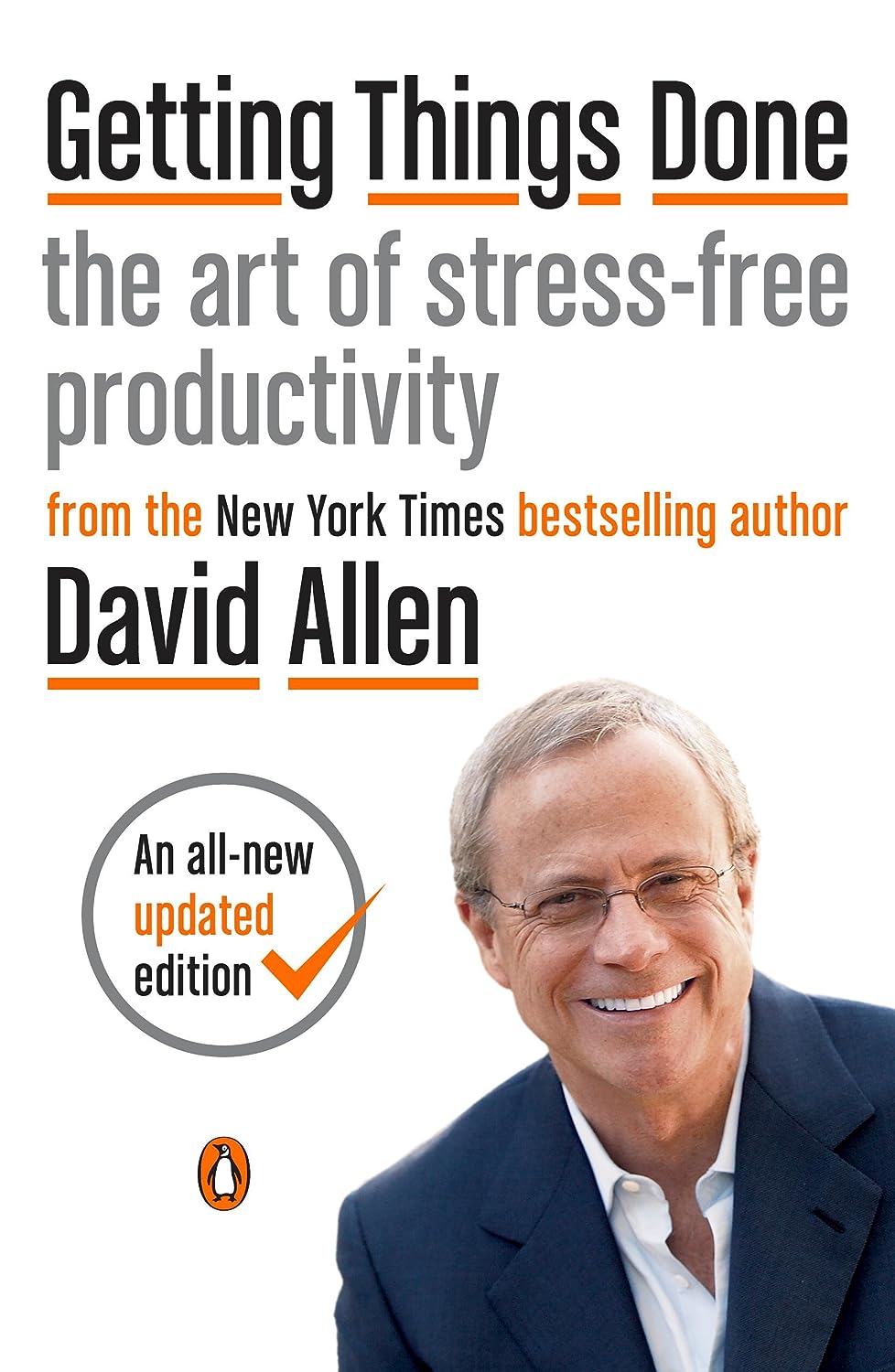
Undoubtedly one of the most widely read classic books, and not just in the past decade. The book—or more precisely the method the author recommends (GTD for short)—presents the most practical way to manage our daily tasks and beyond.
The main idea that prevails according to this author is that the mind was not made to remember but to generate ideas. The biggest mistake we make is using our minds to memorize tasks and projects without building a mechanism to hold these ideas, yet we keep thinking it's better to remember them and organize ourselves our own way.
More than ever, this concept and these ideas are necessary and perhaps vital to avoid total chaos in our minds and emotions. In very practical and simple language, the author presents what he calls horizontal management, a five-step process that includes documentation, clarification, organization, reflection, and action.
This method requires a bit of commitment and some adjustment to the way each of us may have been accustomed, but if you start applying—even partially—some of the concepts it describes, you'll see unimaginable results.
The 7 Habits of Highly Effective People by Stephen Covey
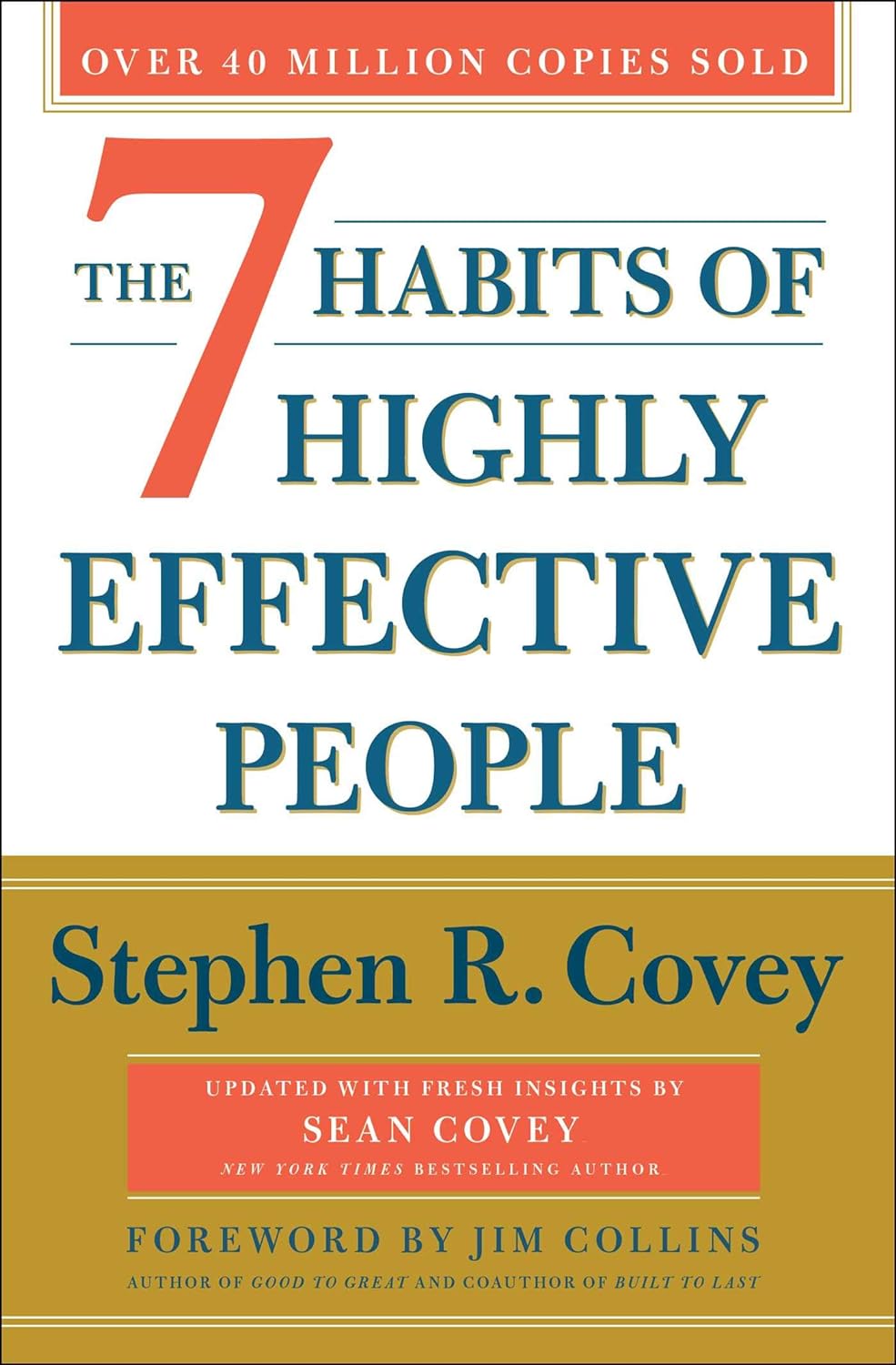
Another masterpiece in the field of boosting effectiveness, but not only. The author shows how what are commonly called habits or vices can be changed, although the process is not easy.
The path Covey describes is one of a journey from within ourselves and then out into the external world, offering some universal and highly valuable concepts. It's one of those books that's worth it and will surely be read several times.
The seven habits are: be proactive, start with the end in mind, put first things first, think win-win, seek first to understand and then to be understood, synergy, and finally closing the deal—or as the author calls it, “sharpening the saw.”.
Implementing Value Pricing: A Radical Business Model for Professional Firms by Ronald J. Baker
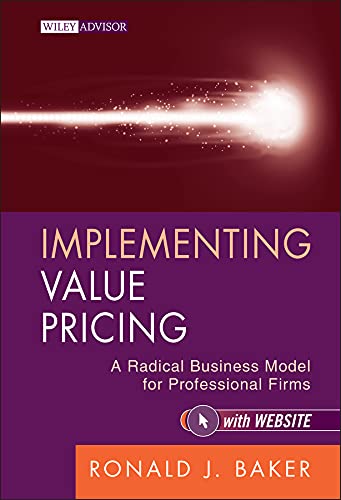
Although different from the other two recommendations, the focus of this book is entirely different; it is important because it illustrates a simple yet quite valuable concept of professional firms.
One of the best books to read for businesses that offer ongoing services, and it's now a fact that most of the economy is transforming in this way.
It's enough to realize how many payments we make at the end of each month simply because we agreed to the terms earlier. For example: Netflix subscription, the monthly internet bill, phone service, and many others.
The key point the author makes, and which has become one of the most powerful messages, is that the value of the service provided should not be measured by our time or cost, but by the value that this service delivers to the client.
Atomic Habits: An Easy & Proven Way to Build Good Habits & Break Bad Ones by James Clear
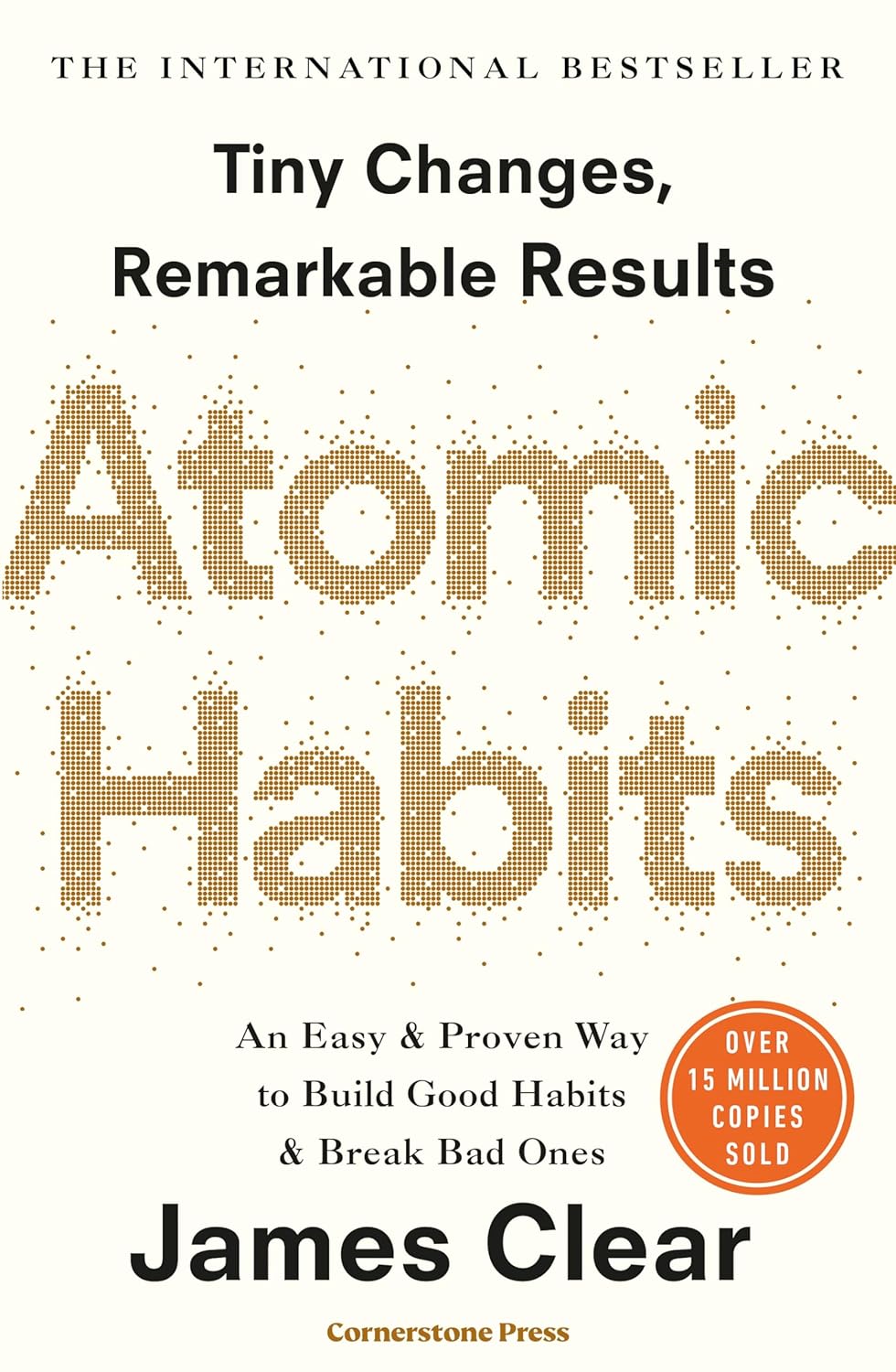
Atomic Habits couldn't be missing from our shortlist of the most beautiful books to read, perhaps of all time and the most current. It's one of the best-selling books right now, offering some powerful ideas on how to form new habits and break old ones.
In simple language, the author outlines the steps through which habits are formed and, on that basis, the four universal laws of building them: make it visible, make it appealing, make it simple, and make it rewarding.
The Five Dysfunctions of a Team: A Leadership Fable by Patrick Lencioni
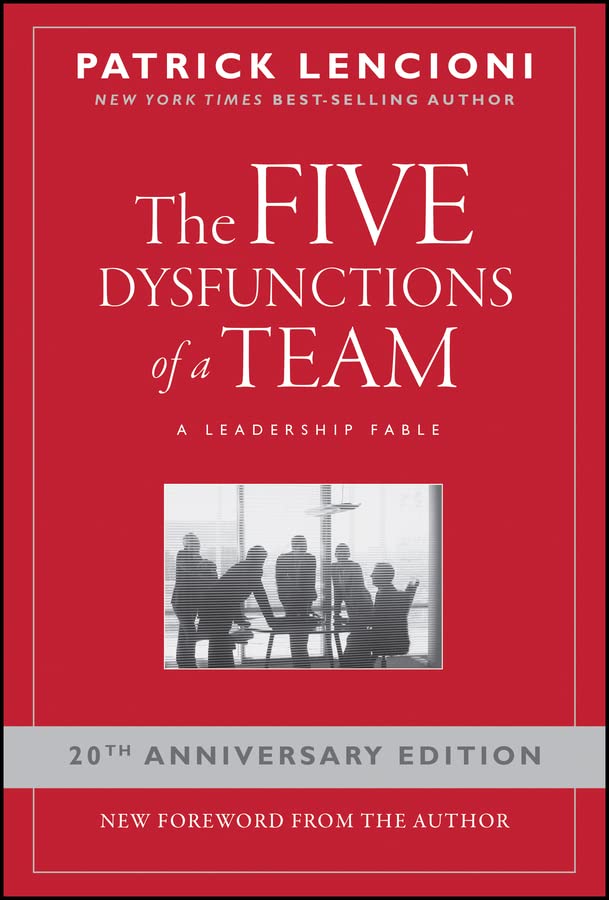
No one can work alone, and teamwork has become—and perhaps always will be—the best way to work and interact.
The special feature of this book is that it is constructed for the most part in dialogue and in a hypothetical situation where the characters of this book decide to present, in the most comprehensible language possible, what the characteristics of a dysfunctional team are and, by analogy, those of a functional team. For most of the book, it will feel as if you're reading a fable worthy of the theater—and why not a film as well.
According to the author, the five dysfunctions of a team are: lack of trust, lack of conflict, lack of commitment, lack of cooperation, and ultimately, lack of focus on the results.
Surely many other masterpieces or perhaps even more functional methods have been left off this list. This was our very personal selection, with a direct impact on our lives and work. I hope these ideas help you understand the new reality and take steps to adapt.
Every time there is a tax or financial change that affects your business, we notify you directly by email with a practical explanation.
Send me free notifications