


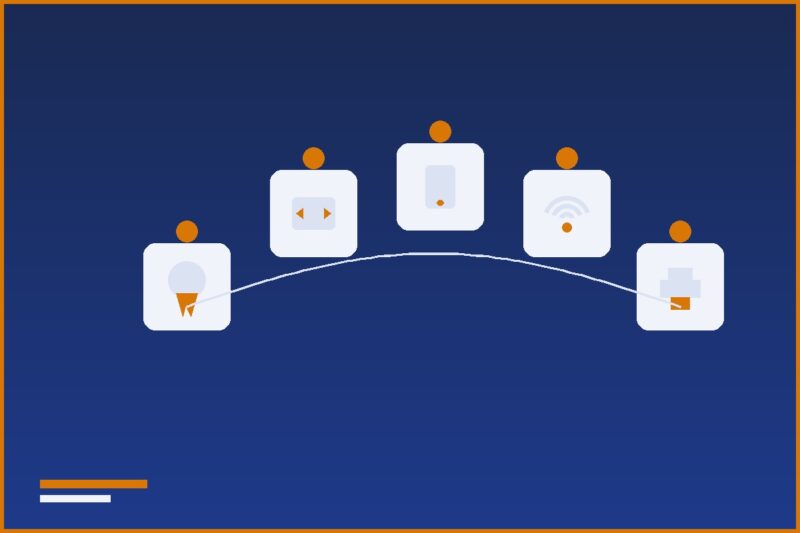
- Every business that is fiscalized needs five elements: an electronic certificate from AKSHI, fiscalization software, an electronic device, an internet connection, and a non-fiscal printer.
- In 2021, the phasing-in of fiscalization was rolled out in stages, from cashless B2C transactions (January 2021), to B2B transactions (July 2021), and finally to cash transactions (September 2021).
- Today, all phases have long been completed, and every active business must be fiscally registered for every type of transaction, regardless of the payment method.
- The fine amnesty announced in 2021 expired on January 1, 2022, and is no longer valid.
Any entity subject to fiscalization, according to Law No. 87/2019 “For the invoice and the turnover monitoring system,” there must be five basic elements: an electronic certificate from AKSHI, fiscalization software, an electronic device (computer, tablet, or phone), an internet connection, and a non-fiscal printer. These remain the fundamental requirements even today, despite other changes the system has undergone since 2020.
From our daily work, we see that new businesses registering today often don't know where to start with fiscal compliance, and frequently get confused by the deadlines and the old 2021 waivers, which are no longer in effect.
Read also: The Fiscalization Program: How to Choose It for Your Business, our guide to choosing the right software.
How the phased implementation of fiscal measures was extended in 2021
The three phases of implementation
Fiscalization began on January 1, 2021 for cashless transactions between taxpayers and public authorities (B2G). On July 1, 2021, it was extended to cashless transactions between taxpayers (B2B). On September 1, 2021, it also covered cash transactions (B2C), regardless of the business's annual turnover. Today, all three phases have been completed, and every transaction, regardless of payment method, is subject to fiscalization.
The amnesty for fines expired in January 2022.
To give businesses time to adapt, the DPT announced in 2021 that fines for non-registration would be waived until January 1, 2022. This period of leniency ended years ago, and today non-registration is subject to the fines provided by law, with no grace period.
Every time there is a tax or financial change that affects your business, we notify you directly by email with a practical explanation.
Send me free notificationsWhy does it matter today?
The five elements remain the starting points for the new business.
If you're opening a new business today, this five-item list remains the basic guide: an electronic certificate, certified software (see our guides on certification and the list of approved software), a device, internet access, and a non-fiscal printer. Choosing the right software directly impacts costs and ease of use.
How we handle this with our clients
When we register a new client, we guide them step by step through each of the five elements of fiscalization, recommending software and configurations suited to their activity volume to avoid unnecessary costs or errors in the initial implementation.
Frequently asked questions
Does every type of payment need to be invoiced today?
Yes. All three phases have been completed, and the fiscalization system applies to both cash and non-cash payments for B2B, B2C, and B2G.
Does the 2021 fine amnesty still apply?
No, it ended on January 1, 2022. Today, fines for non-tax compliance are fully enforced.
Where do I get the electronic certificate?
From AKSHI, by logging in with your credentials on the e-Albania platform.
