
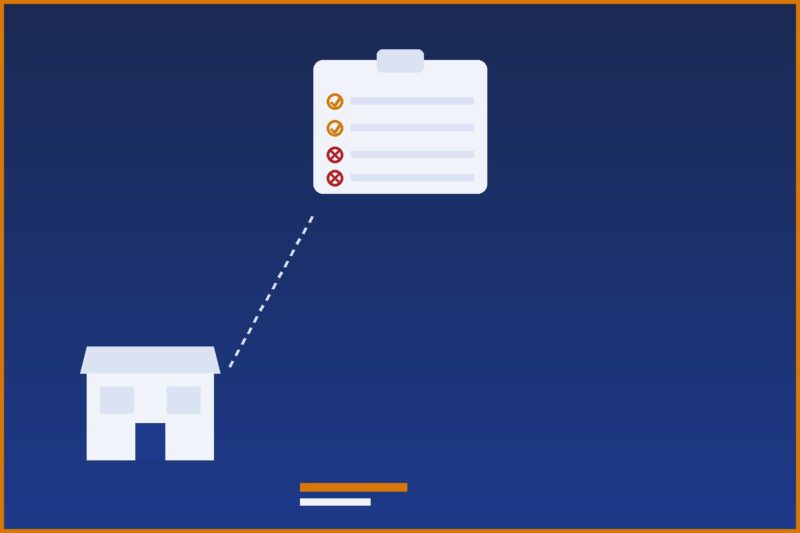
- On April 19, 2020, the e-Albania portal published the list of economic activities allowed to continue during the pandemic's most stringent restrictions.
- Farming and most wholesale trade were allowed, while barbershops, gyms, schools, most retail trade, passenger transport, and establishments remained closed.
- This was an extraordinary health measure, not a tax rule, and today there is no longer any such restriction on business activity.
- If a similar situation were to be declared in the future, the new list would be determined by the health authorities at that time, not this old announcement.
On April 19, 2020, at the height of the first pandemic restrictions, the e-Albania portal published the official list of economic activities allowed to continue operating, along with a Public Health Institute guide to the protocols these businesses were required to implement.
From our daily work we see that such old notices create confusion for readers who come across them today, who sometimes mistakenly believe there are still activity restrictions or confuse them with the current list of economic activity codes (NVE).
What did the April 2020 list determine?
Which activities were allowed and which remained closed.
Agricultural activities and most wholesale trade were permitted. Hair salons and other beauty treatments, gyms, educational institutions, retail sales of clothing, shoes, and similar items, road, sea, and air passenger transport, as well as bars, cafes, and establishments, remained closed. which were announced as among the last to open.
ISHP Health Protocol
Alongside the list, the Public Health Institute published practical protocols for open businesses, aimed at reducing the risk of COVID-19 transmission among employees. These protocols were also specific to that phase of the pandemic and are no longer in effect as a general requirement.
Every time there is a tax or financial change that affects your business, we notify you directly by email with a practical explanation.
Send me free notificationsWhy does it matter today?
Today there are no activity restrictions of this kind.
Any regularly registered business may carry on its activities under its chosen NVE code, without any pandemic-related restrictions. If another state of emergency were declared in the future, the health authorities would set the new rules in due course, not according to the 2020 list.
How we handle this with our clients
When a client comes across old notices like this, we help them immediately recognize that it's a closed case and direct them to the current economic activity code (NVE) they need to have in the QKB, not to the 2020 list.
Frequently asked questions
Is there today an official list of “allowed activities” like in 2020?
No. That list was specific to the restrictions of that period and no longer applies.
How do I find my current economic activity code (NVE)?
Your code is located in the QKB extract. For an example of the nomenclature structure, see Nomenclature of Economic Activities (Rev. 2) NEA, Section C, Manufacturing Industry, or contact the QKB for the full list.
